Material and Build
Listings are grouped by construction, including natural wood, plastic, and metal wire. This includes specific features like asphalt roofs and chew-proof metal edges.
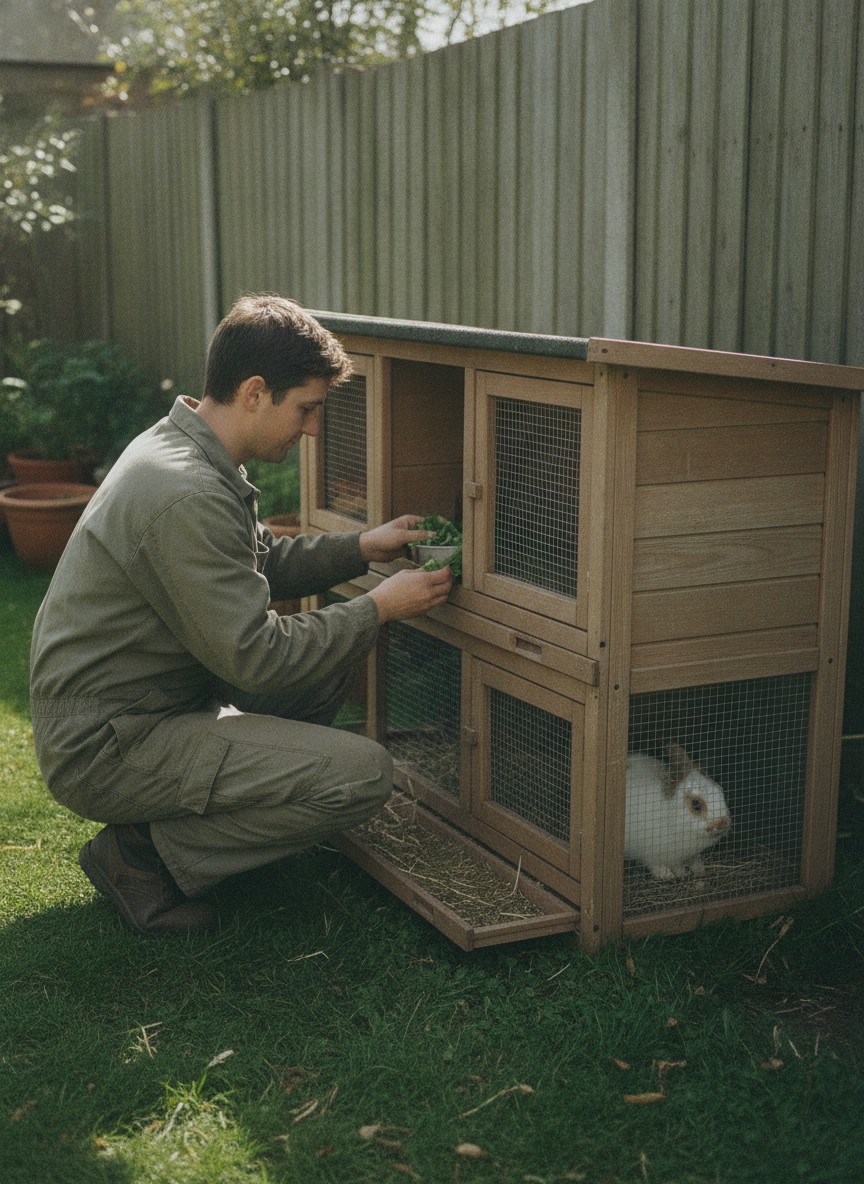
Choosing a hutch involves matching the enclosure to the animal's size and the environment where it will be placed.
We index small animal housing based on physical attributes and intended use. This set is sorted into specific categories to help you find the right dimensions and materials.
Listings are grouped by construction, including natural wood, plastic, and metal wire. This includes specific features like asphalt roofs and chew-proof metal edges.
We categorize hutches by their base design. This includes elevated structures, models with wheels for movement, and units with integrated ramps or runs.
The catalog identifies hutches with specific cleaning aids. These include pull-out trays, leak-proof liners, and removable PVC layers.
Indoor hutches often feature wheels and stylish finishes to match home decor. Outdoor models use treated wood and asphalt roofs to withstand rain and sun.
2-story designs provide separate areas for eating and sleeping. These typically include a non-slip ramp to allow the animal to move between floors safely.
Wooden hutches offer a traditional look, while plastic and metal options are often easier to sanitize. Chew-proof models use metal strips to protect the frame from gnawing.
Start here, then open a couple of brand pages
Traditional wooden or plastic shelters designed for safe rabbit housing
Secure enclosures often featuring wire mesh for ventilation and visibility
Compact habitats designed for use inside the home
Natural fir or solid wood constructions for a classic look
Enclosures specifically sized and designed for guinea pigs
Multi-level designs that provide separate living and sleeping quarters
Removable sliding trays that make cleaning waste quick and simple
Integrated ladders or non-slip ramps for access between levels
Portable habitats equipped with casters for easy movement
Treated materials and sloped roofs designed to keep pets dry
Enclosures that include an attached fenced area for exercise
Modern grey finishes that blend with contemporary decor